
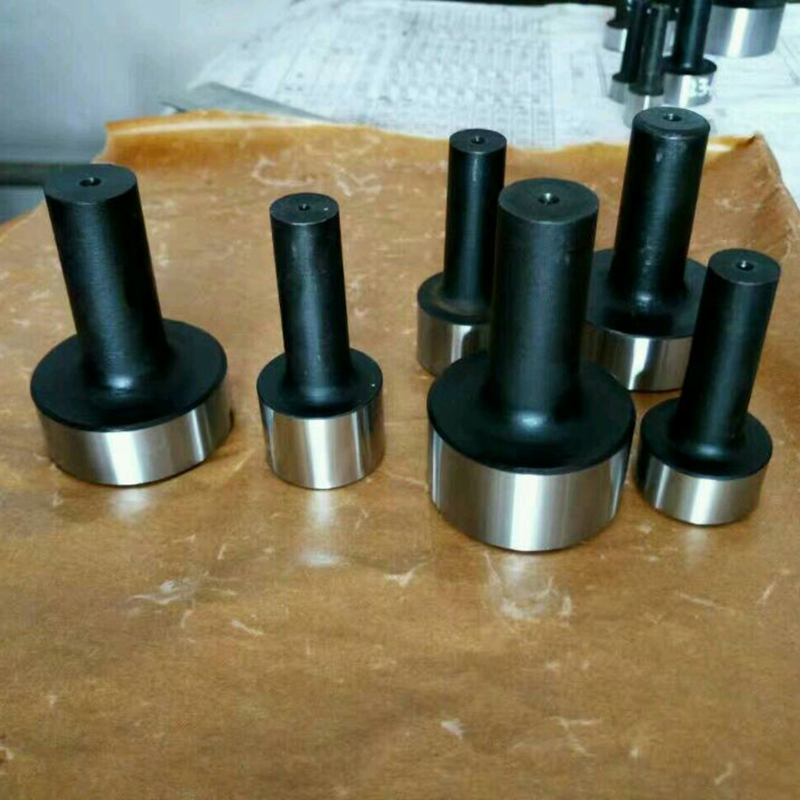
frameless glass mirror
Tấm cách âm chống rung Giải pháp hiệu quả cho môi trường làm việc và sinh hoạt Trong thời đại công nghiệp hóa ngày nay, việc sử dụng các thiết bị máy móc và đồ điện là điều không thể tránh khỏi. Tuy nhiên, một vấn đề lớn mà chúng ta thường gặp phải là tiếng ồn và sự rung động do các thiết bị này gây ra. Để giải quyết tình trạng này, tấm cách âm chống rung đã trở thành một giải pháp hiệu quả, được nhiều người ưa chuộng. Giới thiệu về tấm cách âm chống rung Tấm cách âm chống rung là các sản phẩm được thiết kế đặc biệt để hấp thụ và giảm thiểu tiếng ồn cũng như rung động phát sinh từ các thiết bị như máy móc, máy điều hòa không khí, máy phát điện, và nhiều thiết bị công nghiệp khác. Chúng được làm từ các vật liệu như cao su, polyurethane, hoặc vật liệu tổng hợp có khả năng đàn hồi tốt, giúp giảm đáng kể sự truyền tải của rung động và âm thanh. . 1. Giảm thiểu tiếng ồn Một trong những lợi ích lớn nhất của tấm cách âm chống rung là khả năng giảm thiểu tiếng ồn. Nhờ vào cấu trúc đàn hồi của chúng, các tấm pad này giúp cản lại sự truyền âm từ nguồn phát, tạo ra một môi trường yên tĩnh hơn, đặc biệt là trong các không gian làm việc như văn phòng, nhà máy, hoặc phòng thu âm. anti vibration isolation pads 2. Bảo vệ thiết bị Sự rung động không chỉ ảnh hưởng đến con người mà còn có thể gây hại cho thiết bị. Các tấm cách âm chống rung giúp giảm thiểu áp lực và ma sát tác động lên các bộ phận máy móc, từ đó kéo dài tuổi thọ của thiết bị và giảm chi phí bảo trì. 3. Tăng cường sự thoải mái Trong môi trường sinh hoạt, việc sử dụng tấm cách âm này có thể tạo ra một không gian sống thoải mái hơn. Chúng giúp giảm độ ồn từ các hoạt động bên ngoài hoặc âm thanh phát ra từ các thiết bị trong nhà, mang lại cảm giác thư giãn hơn cho các thành viên trong gia đình. 4. Dễ dàng lắp đặt Tấm cách âm chống rung thường có thiết kế đơn giản, dễ dàng lắp đặt và thay thế. Người dùng có thể tự thực hiện mà không cần đến sự hỗ trợ của kỹ thuật viên chuyên nghiệp, điều này giúp tiết kiệm thời gian và chi phí. 5. Đa dạng kích thước và hình dạng Các tấm cách âm chống rung có nhiều kích thước và hình dạng khác nhau, phù hợp với nhiều loại thiết bị và nhu cầu sử dụng. Từ những tấm pad nhỏ gọn cho đến những tấm lớn hơn dùng cho máy móc công suất cao, người tiêu dùng luôn có nhiều lựa chọn. Kết luận Tấm cách âm chống rung đang trở thành một phần không thể thiếu trong cả môi trường làm việc và sinh hoạt hiện đại. Với những lợi ích mà chúng mang lại, như giảm thiểu tiếng ồn, bảo vệ thiết bị, tăng cường sự thoải mái và dễ dàng lắp đặt, việc sử dụng tấm cách âm chống rung là vô cùng cần thiết. Nếu bạn đang tìm kiếm một giải pháp hiệu quả để cải thiện chất lượng cuộc sống và công việc, đừng ngần ngại đầu tư vào những tấm cách âm này. Sự thay đổi nhỏ này có thể mang đến những khác biệt lớn trong cuộc sống hàng ngày của bạn.
about
frameless glass mirror
Understanding Pilot Operated Check Valves Key Components in Hydraulic Control Systems In the realm of hydraulic systems, the functionality and reliability of components play a crucial role in maintaining system efficiency and safety. Among these components, pilot operated check valves stand out as sophisticated regulatory devices that offer enhanced control over fluid flow. This article delves into the intricate workings, applications, and benefits of pilot operated check valves, underscoring their significance in modern hydraulic machinery. **Introduction to Check Valves** Fundamentally, a check valve is a unidirectional valve that permits fluid flow in one direction while preventing backflow, ensuring process continuity and protecting system components from damage due to unintended pressure reversals. Simple check valves operate based on differential pressure, opening when the upstream pressure exceeds a certain threshold and closing automatically when this pressure drops or reverses. **Pilot Operated Check Valve An Overview** A step above conventional check valves, the pilot operated check valve (POCV) employs an additional level of control through a pilot mechanism. Unlike standard check valves that rely solely on fluid pressure for operation, POCVs use a separate, low-pressure signal (the pilot pressure) to control the main valve's opening and closing. This design introduces a higher degree of regulation and responsiveness, making them particularly valuable in complex hydraulic circuits. **Operating Principle** The heart of a POCV lies in its dual-chamber design. The primary valve body, akin to a traditional check valve, consists of a spring-loaded poppet that seals against a seat to halt reverse flow. However, this poppet is controlled not directly by the main line pressure but by a smaller, secondary valve – the pilot valve. The pilot valve responds to a separate, low-pressure signal, which when activated, relieves pressure behind the poppet, allowing it to open under the influence of the upstream pressure. This setup enables the POCV to remain closed even under high differential pressures until the pilot signal commands otherwise, providing precise control over the fluid's directional flow. Conversely, when the pilot pressure is relieved, the spring forces the poppet to seal, effectively halting any potential backflow Conversely, when the pilot pressure is relieved, the spring forces the poppet to seal, effectively halting any potential backflow Conversely, when the pilot pressure is relieved, the spring forces the poppet to seal, effectively halting any potential backflow Conversely, when the pilot pressure is relieved, the spring forces the poppet to seal, effectively halting any potential backflow pilot operated check valve . **Key Benefits and Applications** The precision control offered by POCVs makes them indispensable in several hydraulic applications 1. **Accumulator Isolation** In systems with accumulators, POCVs prevent pressurized fluid from flowing back into the pump during operation, ensuring efficient energy usage and system protection. 2. **Pressure Holding Circuits** They are used to maintain pressure in specific parts of a circuit, even when the main pump is deactivated, facilitating functions like brake locking or tool holding in machinery. 3. **Overload Protection** By integrating POCVs with relief valves, they can provide an additional layer of safety against excessive pressure spikes, safeguarding sensitive equipment. 4. **Cylinder Control** In hydraulic cylinders requiring precise motion control, POCVs can regulate the extension and retraction sequences, enhancing operational smoothness and accuracy. **Conclusion** Pilot operated check valves exemplify the integration of advanced technology into hydraulic systems, offering a blend of responsiveness, control, and safety. Their ability to precisely manage fluid flow based on external signals elevates their utility beyond conventional check valves, making them a preferred choice in numerous industrial and mobile hydraulic applications. Understanding the principles and benefits of POCVs is essential for engineers and technicians aiming to optimize system performance and reliability. As hydraulic systems continue to evolve, the strategic implementation of components like POCVs will play a pivotal role in achieving higher levels of efficiency and control.
-

High quality industrial productsagement

High quality industrial products
View Details -

Meet the diverse needs of customers

Meet the diverse needs of customers
View Details -

Strict quality control

Strict quality control
View Details -

Top raw materials

Top raw materials
View Details -

Trusted supplier

Trusted supplier
View Details
Our application

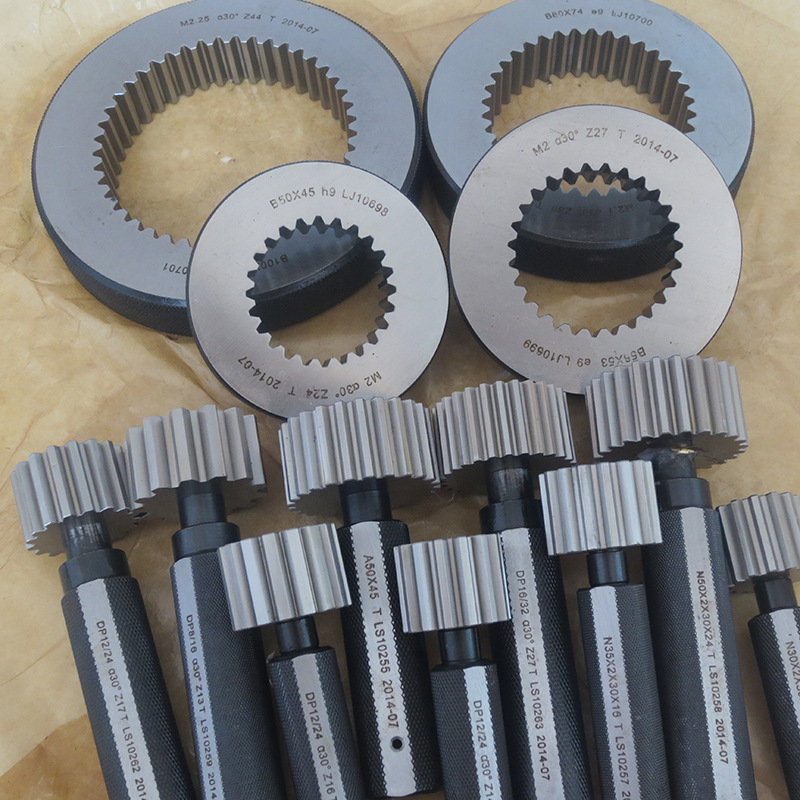


news and information

y strainer steam trap
Understanding Y-Strainer and Steam Traps Essential Components in Fluid Management In industrial syst
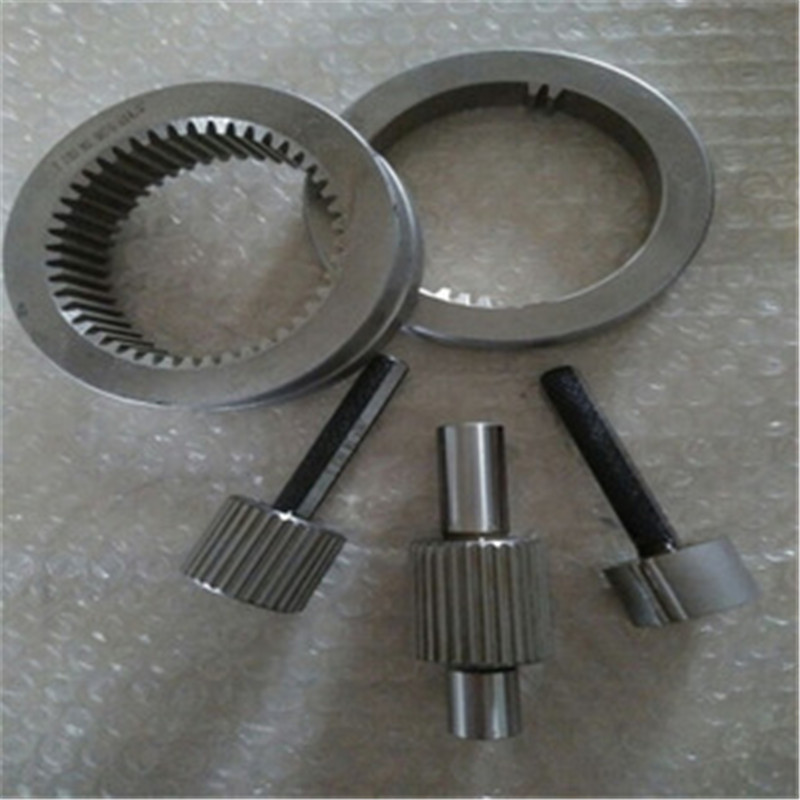
Y Type Strainer Featuring Convenient Drain Valve for Efficient Fluid Filtration
Understanding Y-Type Strainers with Drain Valves In industrial settings, efficient fluid management
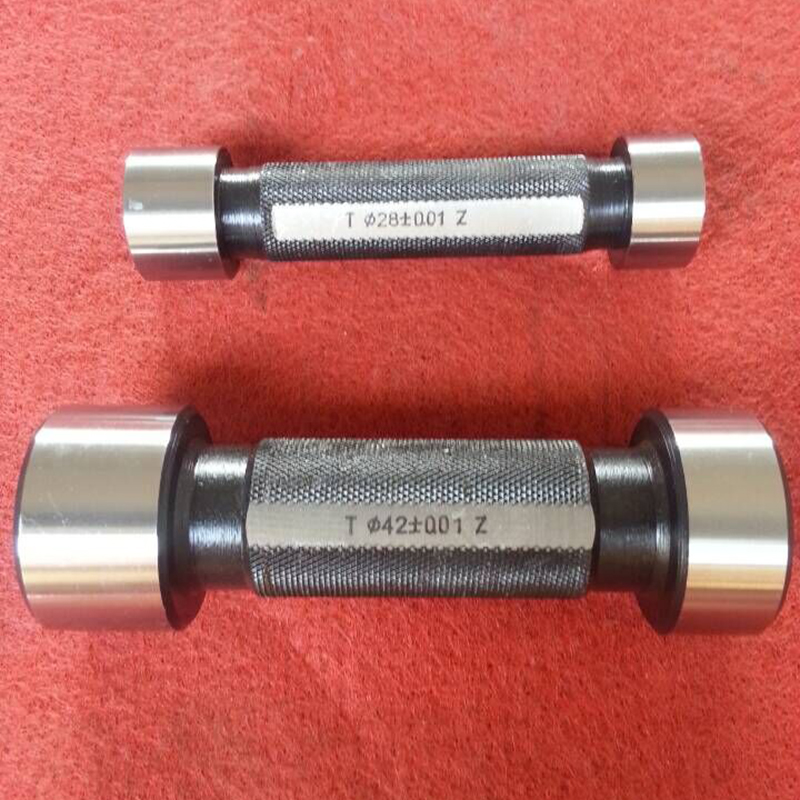
Using Brackets to Assemble Wooden Structures and Enhance Your DIY Projects Effectively
Embracing Nature The Art of Joining Wood with Brackets In the world of woodworking, there is a disti
 English